

Written by Melissa Leighty, Education Content Specialist at Learnlife
When parents begin searching for schools that support not only academic learning, but also confidence, wellbeing, and long-term development, they often come across child-centred, or learner-centred, education.
Learner-centred schools are increasingly part of conversations about modern education, personal learning, and education focused on the whole child. And yet, for many families, the approach still feels unfamiliar.
Most adults were educated in traditional systems where learning was teacher-led, standardised, and measured primarily through grades. So when parents encounter learner-centred education, it’s natural to ask questions. Is it structured enough? Is it academically rigorous? Will my child be prepared for the future?
Much of the uncertainty comes from a set of persistent myths.
Below, we explore five of the most common ones, and what research, experience, and families themselves consistently reveal.
What Is Learner-Centred Education?
It places the child — not the curriculum or the timetable — at the centre of educational design. Learning is personalised, developmentally appropriate, and responsive to each learner’s interests, strengths, and needs.
For parents asking “Is learner-centred education effective?”, both research and practice increasingly point to deeper engagement, stronger motivation, and healthier relationships with learning.
Rather than asking children to adapt to a rigid system, learner-centred schools design learning around how children actually grow and learn.
Myth 1: Learner-centred education means children are left to figure things out on their own
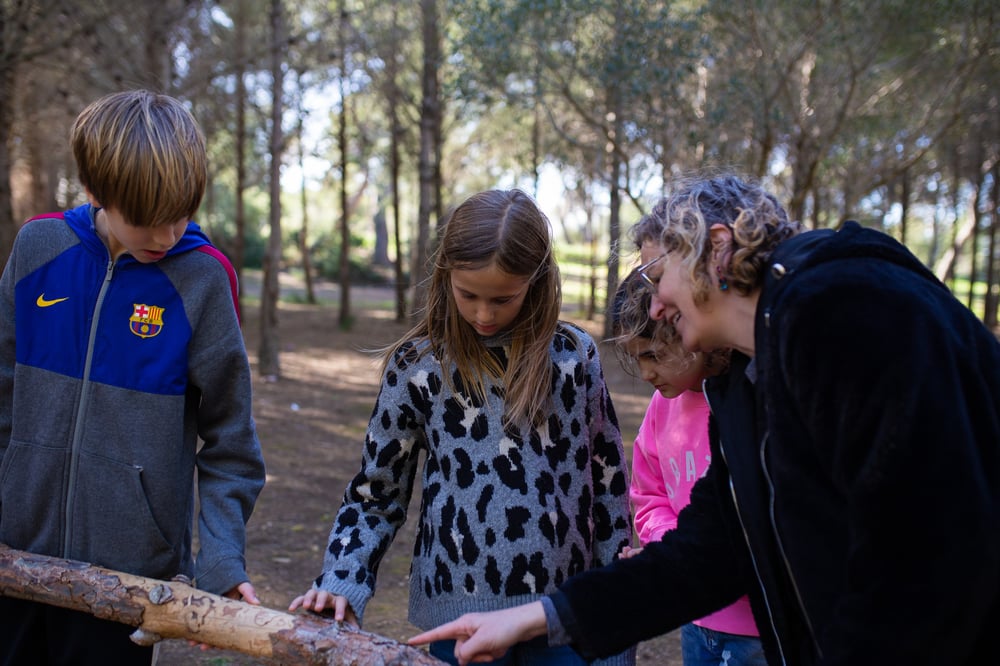
One of the most common misconceptions is that learner-centred education removes adult guidance. In reality, it depends on it.
Learner-centred environments are intentionally designed. Adults play an active role as learning guides — observing learners closely, designing meaningful learning experiences, and offering feedback, challenge, and support at the right moments.
As Learnlife’s Innovation Director Devin Carberry explains,
“Autonomy doesn’t mean absence of structure. It means learners are supported to make meaningful choices within a thoughtfully designed learning environment.”
Rather than asking children to decide everything, learner-centred education helps them learn how to make decisions, reflect on their progress, and take responsibility over time. You can read more about the role of adult support and relationships in our article on the transformative power of mentorship.
Myth 2: Learner-centred education lacks academic rigour
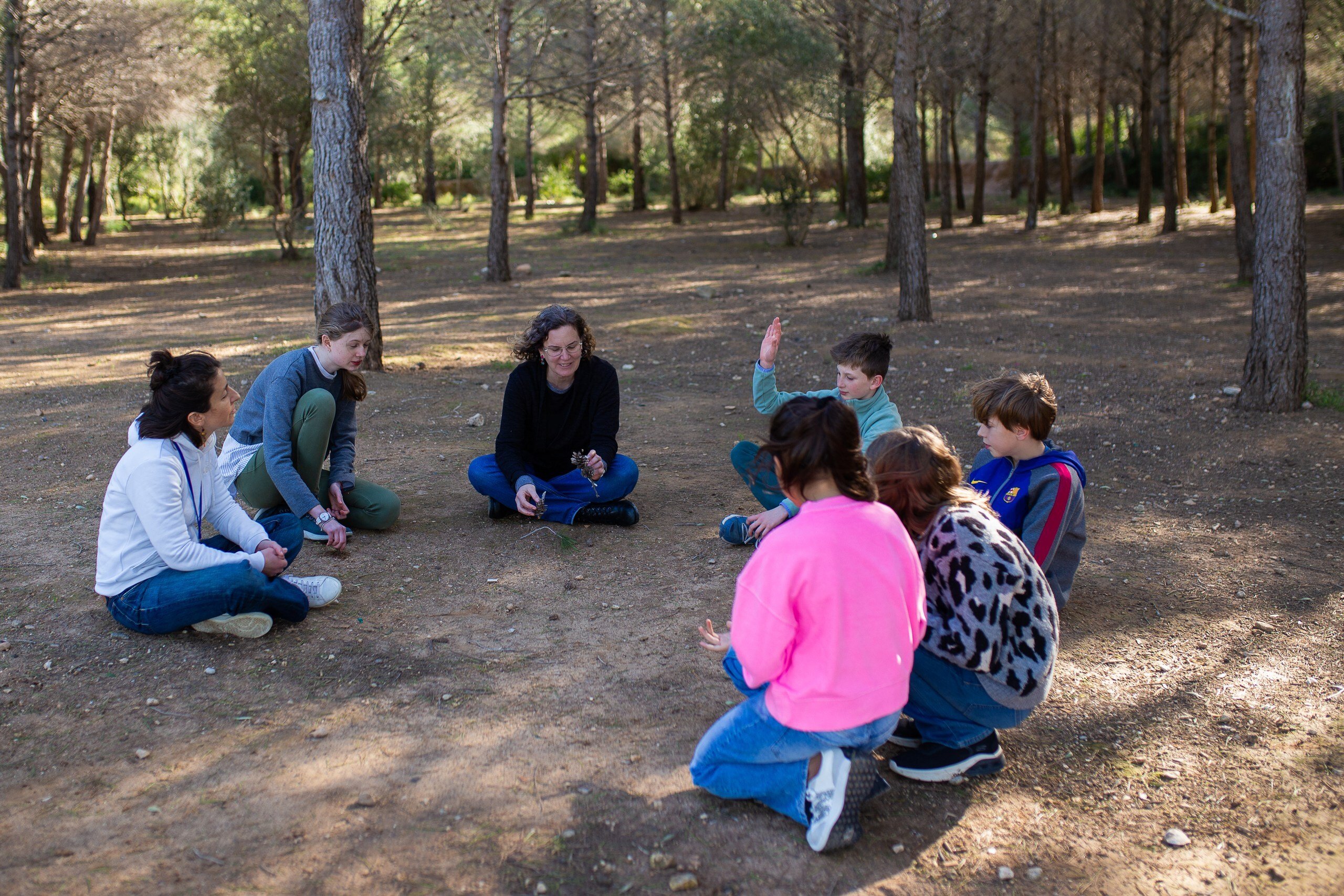
Many parents understandably associate academic rigour with textbooks, homework volume, and exams. Learner-centred education challenges that definition — not by lowering expectations, but by shifting the focus from memorisation to understanding.
Research shows that learner-centred approaches are consistently linked to deeper engagement and stronger conceptual understanding than traditional lecture-based instruction.
In simple terms, when learners actively make sense of ideas rather than passively receive information, learning tends to last.
In learner-centred schools, academic rigour is measured not by workload alone, but by the depth of understanding learners develop through child-centred education, inquiry, and real application.
Myth 3: Without grades, parents don’t know how their child is doing
Grades feel familiar, but they often hide more than they reveal.
Research shows by shows that learner-centred assessment — including feedback, reflection, and portfolio-based documentation — provides parents with clearer insight into a child’s progress than grades alone.
Many learner-centred schools are part of a broader movement toward education without grades, using continuous feedback to make learning visible. Instead of asking how a child compares to others, parents are invited to understand how their child is growing over time.
This approach answers the questions families care most about: Is my child learning? Are they engaged? Are they developing confidence and resilience?
Myth 4: Learner-centred education doesn’t prepare children for the real world
Some parents worry that a different approach to school might leave children unprepared for university, work, or adult life.
In reality, learner-centred education exists because the world has changed.
As Learnlife co-founder Stephen Harris explains,
“The world no longer rewards people for following instructions. It rewards those who can adapt, collaborate, and continue learning throughout their lives.”
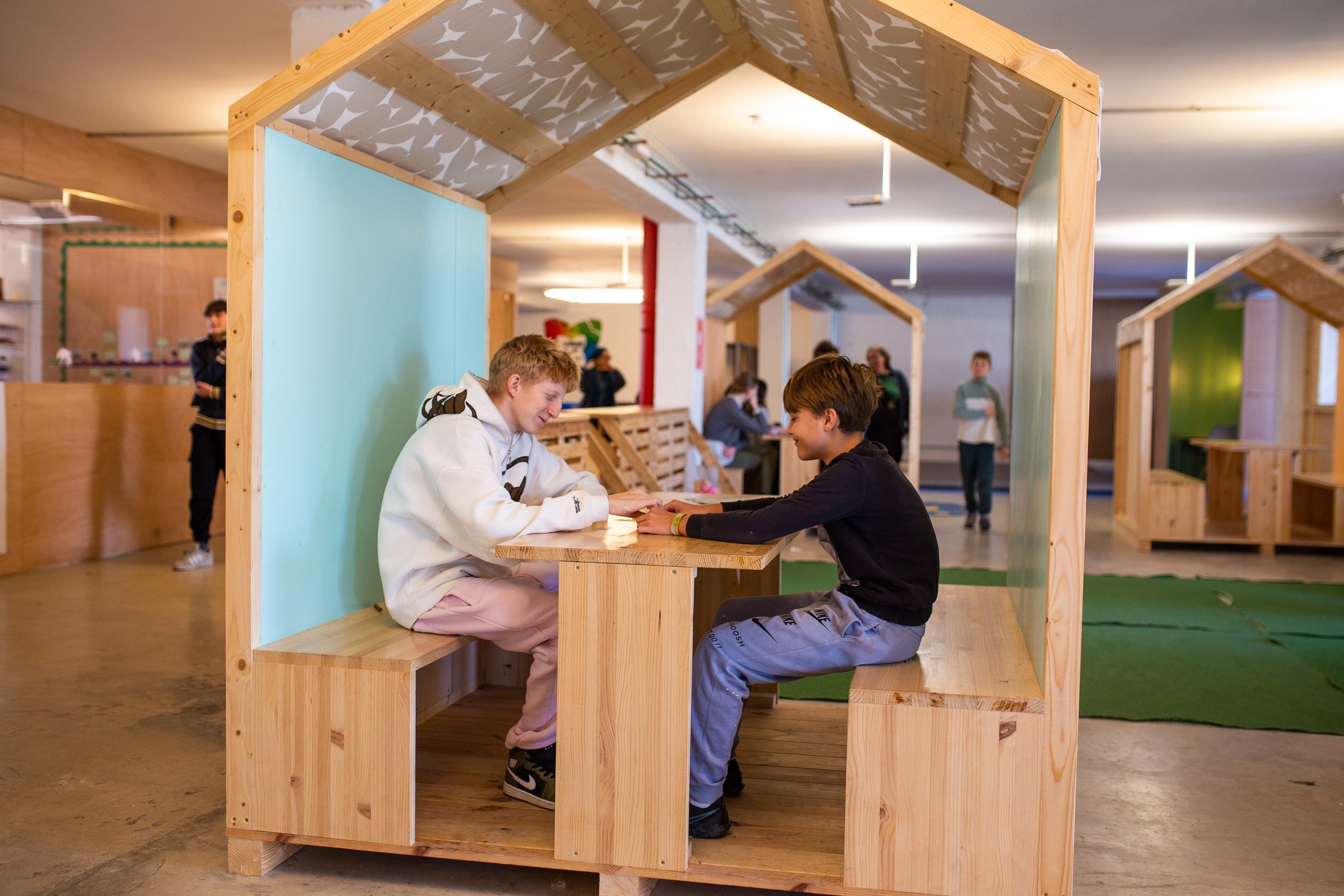
Learner-centred schools place learners in situations where they must plan, communicate, problem-solve, and reflect — often through real projects connected to the world beyond school.
These experiences help learners build life-ready skills such as adaptability, collaboration, and self-direction, all of which are essential for their future pathways.
Myth 5: Learner-centred education only works for certain types of children
Another common belief is that learner-centred education only suits confident, self-directed learners.
In practice, many families find the opposite to be true. Because learning is personalised, children are not forced into a single pace or mould. Learners who felt anxious, disengaged, or overlooked in traditional systems often begin to thrive when they are met where they are.
Research on learner-centred learning also consistently shows increased engagement and ownership, particularly for children who struggled in more standardised environments.
As Devin Carberry notes,
“When learners feel seen and trusted, their relationship with learning changes. Confidence often follows.”
Choosing a school is about more than a method
For most families, choosing a school is about more than academic outcomes alone. Parents are increasingly looking for education focused on wellbeing, student agency, and personalised learning — alongside strong academic foundations.
Families exploring learner-centred schools often ask deeper questions:
- Will my child feel known, supported, and respected?
- Will learning be meaningful rather than performative?
- Will my child develop confidence, agency, and purpose?
- Will school nurture curiosity instead of compliance?
These questions matter because education shapes not only what children know, but how they see themselves and their place in the world.
Learner-centred education is not about removing structure or standards. It is about designing learning around what research, experience, and families now understand about how children learn best — academically, socially, and emotionally.
A gentle next step
For families exploring learner-centred schools, seeing how these principles come to life in a real learning community can be helpful.
If you’re curious about how learner-centred education is designed, supported, and experienced day to day, you can explore more on our website or visit us at one of our open houses.
Written by