

Written by Suzanne Slocum-Gori, Wellbeing Lead at Learnlife
Parenting an adolescent in these current times can feel like navigating uncharted waters — the waves of mood swings, overwhelm, and unexpected reactions can leave even the most grounded parent unsure of how to respond. One of the most powerful ways we can support our children — and ourselves — is by understanding the brain and nervous system: how it reacts to stress, and how we can guide it toward safety, regulation, and resilience.
Why Nervous System Literacy Matters
Our nervous systems carry the imprint of our environment, the people around us, our experiences, and our relationships. When children feel safe, their nervous systems can rest in a state of calm alertness, fostering curiosity, learning, and connection. When threatened, even by seemingly small challenges, the system can shift into fight, flight, or freeze — and behaviours that may seem difficult or challenging are often just the body’s way of responding to perceived danger.
During adolescence, this response is closely linked to the amygdala, the part of the brain responsible for scanning for threats. Because the amygdala is not yet fully developed in adolescents, it can be hypersensitive, leading to heightened reactivity even to minor changes or challenges.
When the amygdala is triggered, the prefrontal cortex (PFC) — responsible for focus, organisation, critical thinking, and emotional regulation — often “turns off.” As a result, children can become dysregulated and may find it difficult to concentrate, manage their emotions, or complete projects.
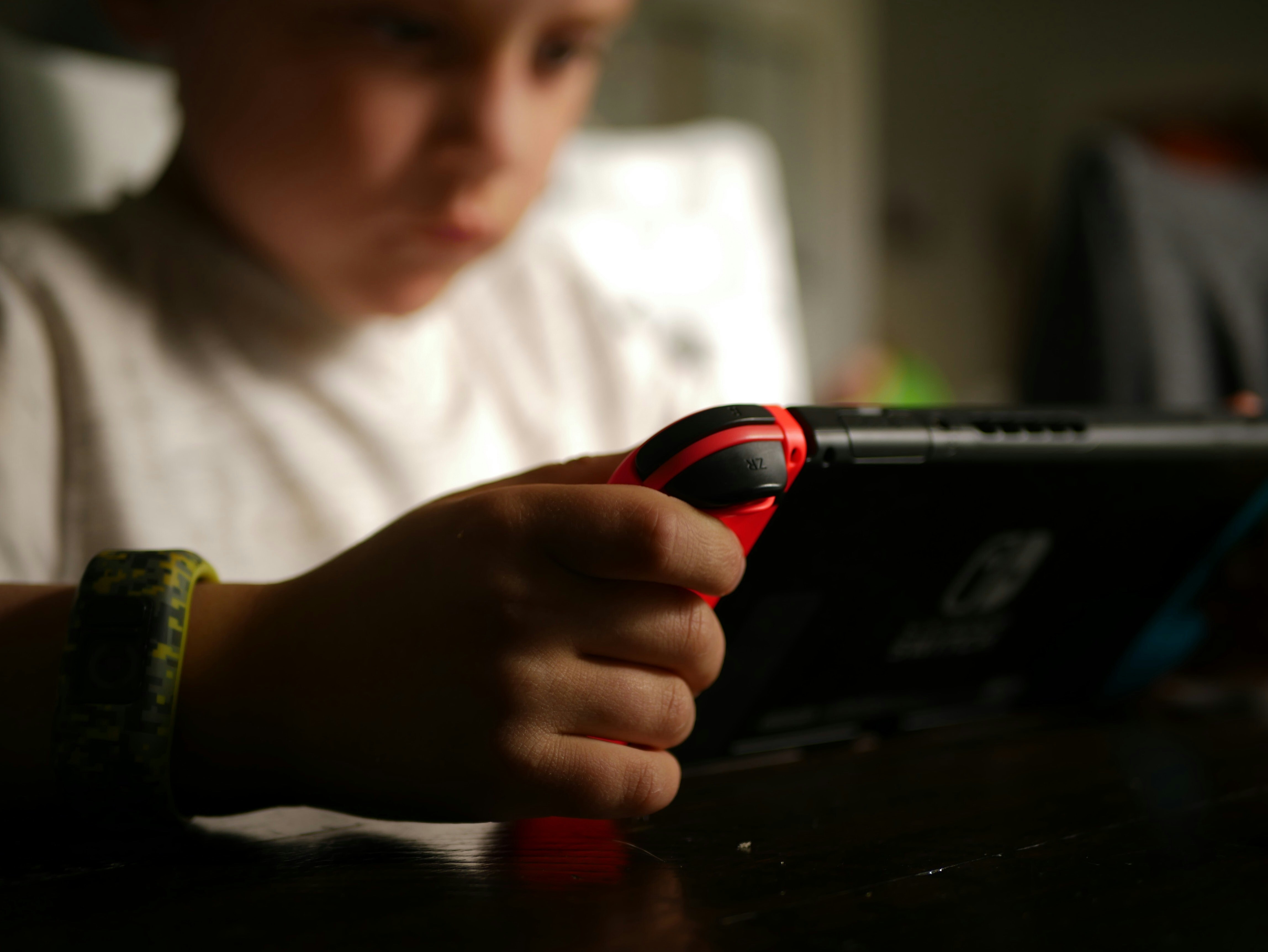
This dysregulation can be amplified by chronic factors such as lack of sleep, poor nutrition, limited exercise, overstimulation from video games or social media, relationship challenges, school or family pressures, and ongoing stress. Recognising these patterns is the first step in helping adolescents move from a state of alarm back toward safety, regulation, and resilience.
By developing nervous system literacy, parents can recognise these signals, respond effectively, and create environments where children feel secure and nourished enough to recover, explore, grow, and thrive.
Co-Regulation vs. Self-Regulation
Young people, especially adolescents, are still learning to understand and regulate their internal states. Co-regulation is when a parent or caregiver supports a child in calming or settling their nervous system through presence, tone, touch and attunement. Self-regulation is the child’s ability to manage stress or dysregulation independently.
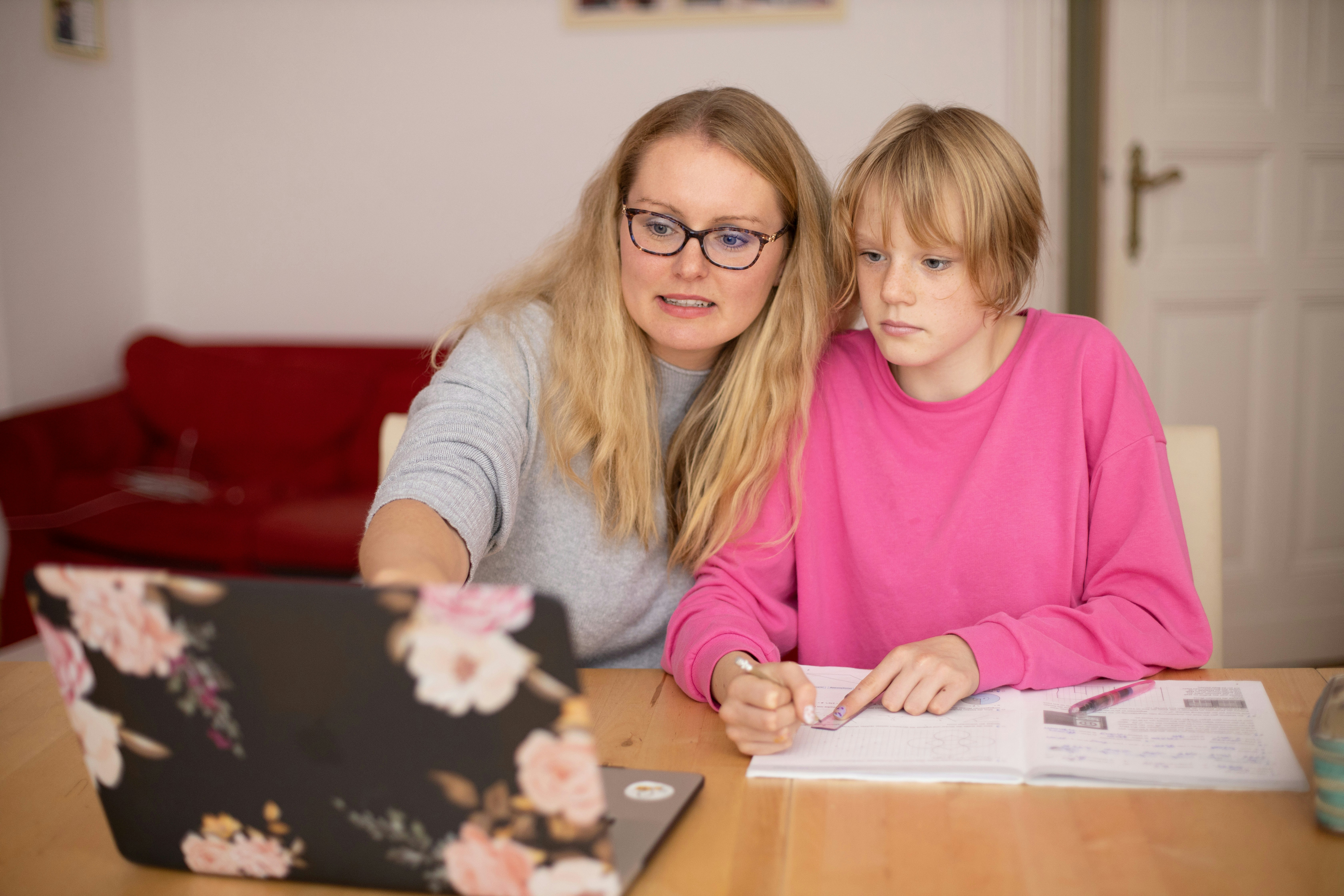
Practical ways to support co-regulation:
- Maintain calm, steady energy during moments of emotional intensity, especially with your facial expressions, tone of voice and body language.
- Use grounding techniques together — walks in nature, sipping something warm to drink, listening to positive music, slow breaths, gentle movement, or simply sitting quietly side by side. The side-by-side is the key, allowing the pulse of your nervous system to sync to theirs.
- Inviting them to name what they feel or what you witness: “I notice your voice is a bit tense. Let’s take a moment together.”
These moments build trust, safety, and the foundation for self-regulation over time.
Creating Micro-Moments of Safety at Home
Safety doesn’t only come from big interventions. Instead, it’s woven through the small, consistent moments we offer every day.
Some ways to create micro-moments of safety:
- Check-ins: How’s your body feeling right now? How is your nervous system?
- Predictable routines: Morning or after school rituals, shared cooking and meals, and bedtime routines anchor children’s sense of security, including waking and going to bed at the same time consistently.
- Mindful pauses: A few deep breaths together before a big task, moments of sharing gratitude, a short walk outside, or a quiet still moment together can reset the nervous system.
- Physical presence: Sometimes simply being nearby, offering a hand on a shoulder or a gentle hug with consent, speak much louder than words, especially when these acts are repeated over an extended period of time.
A Reminder for Parents
Understanding the nervous system is not about controlling your child’s emotions, but about creating a container where they can safely experience them. Your calm presence, attuned listening, and consistent routines are the scaffolding that allows adolescents to move from overwhelm to regulation, and eventually this type of regulation leads to meeting proper developmental milestones, curiosity, learning, relational connection and the capacity to thrive.
In my work with learners at Learnlife, I’ve seen firsthand how families who embrace these practices notice deeper emotional connection, less conflict, and a stronger sense of safety at home. Nervous system literacy is not a quick fix — it’s a lifelong skill, one that nurtures both parent and child, and strengthens the heart of family wellbeing.
Curious what nervous-system-aware learning looks like in practice? Explore how Learnlife supports adolescents with wellbeing-centred, relationship-led learning.
Written by